Richard Stafford
SA Architect Registration No. 2297
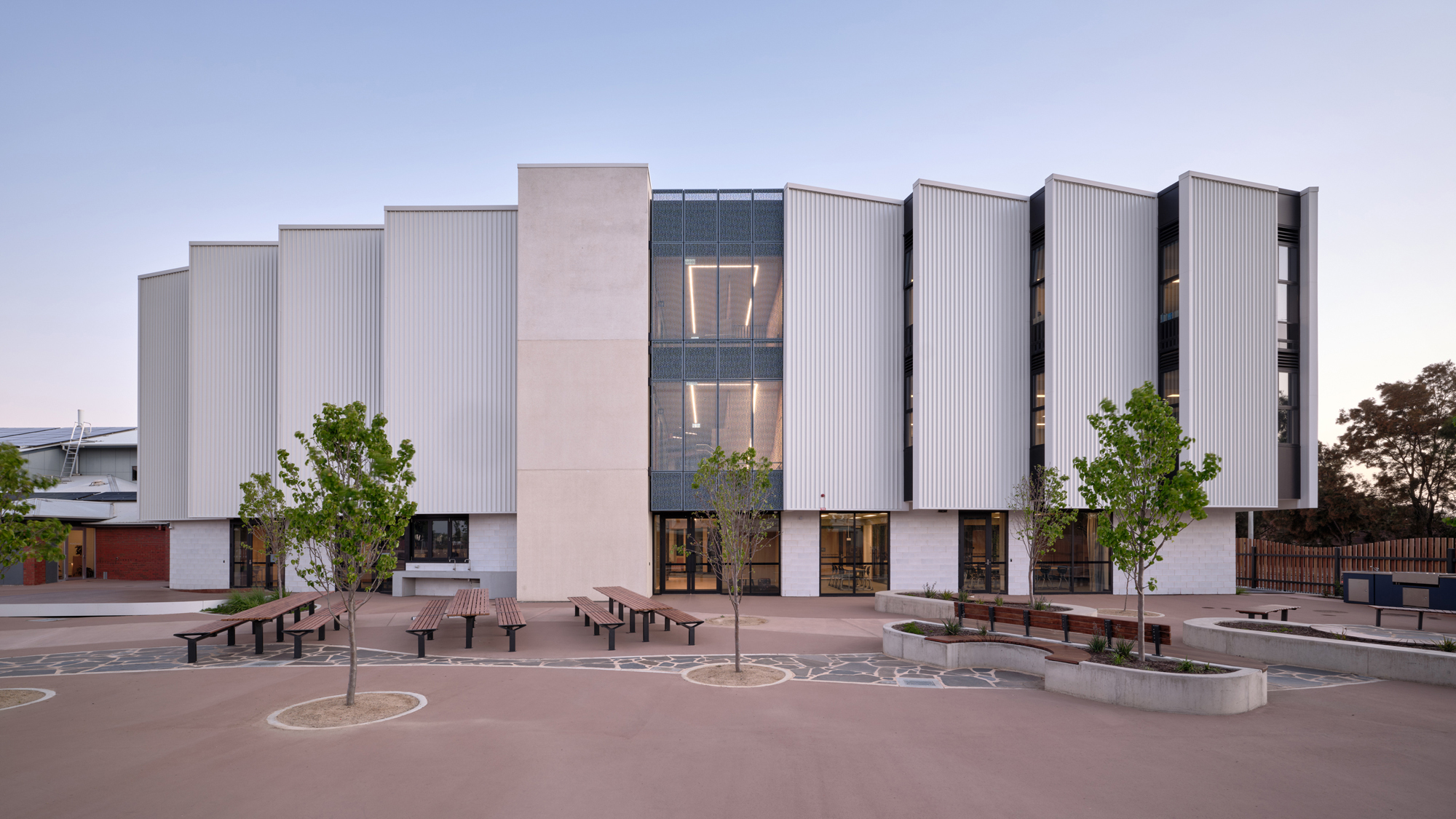
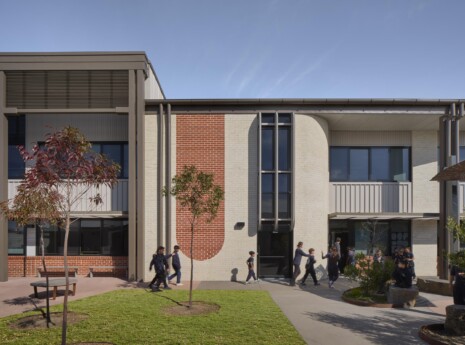
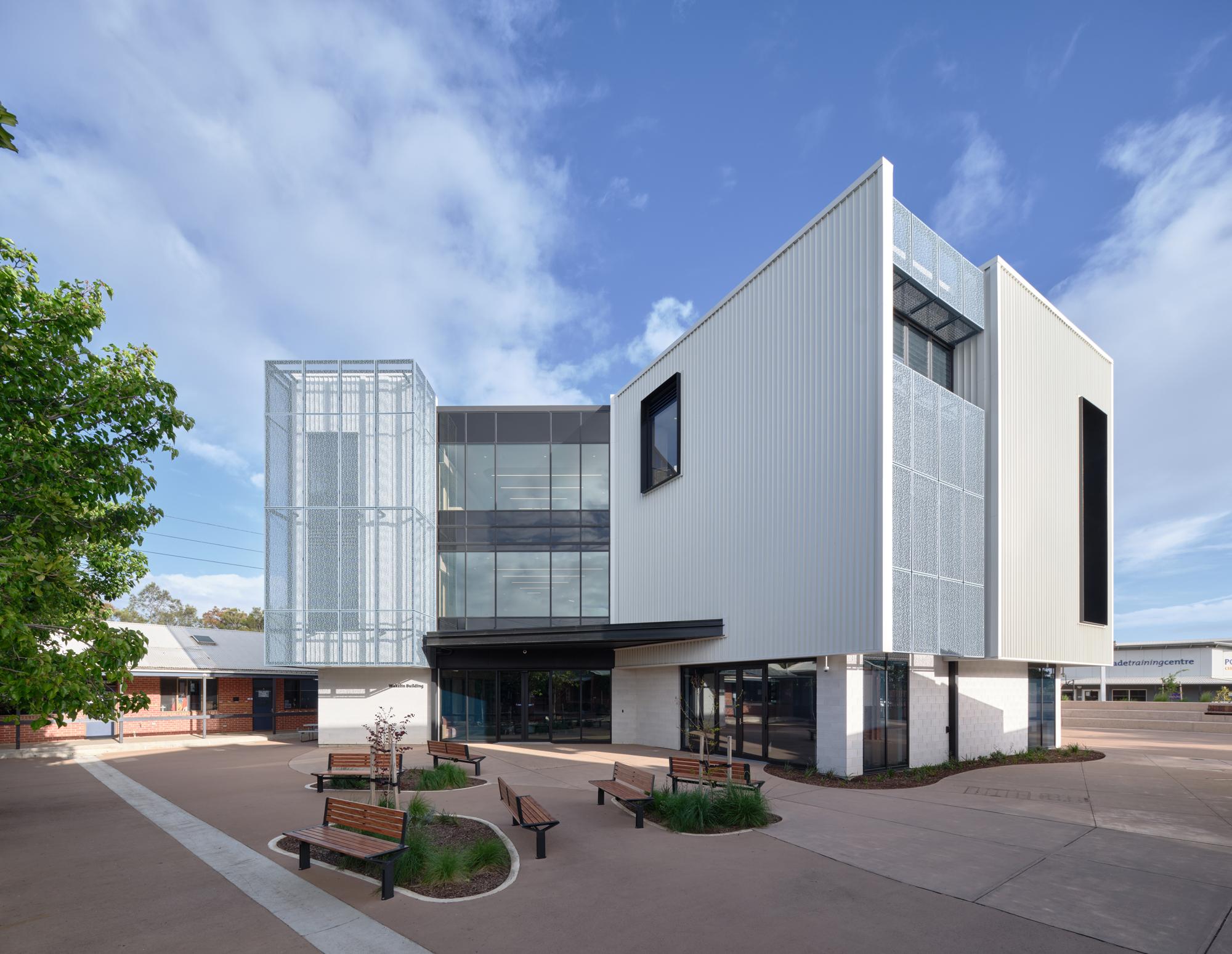
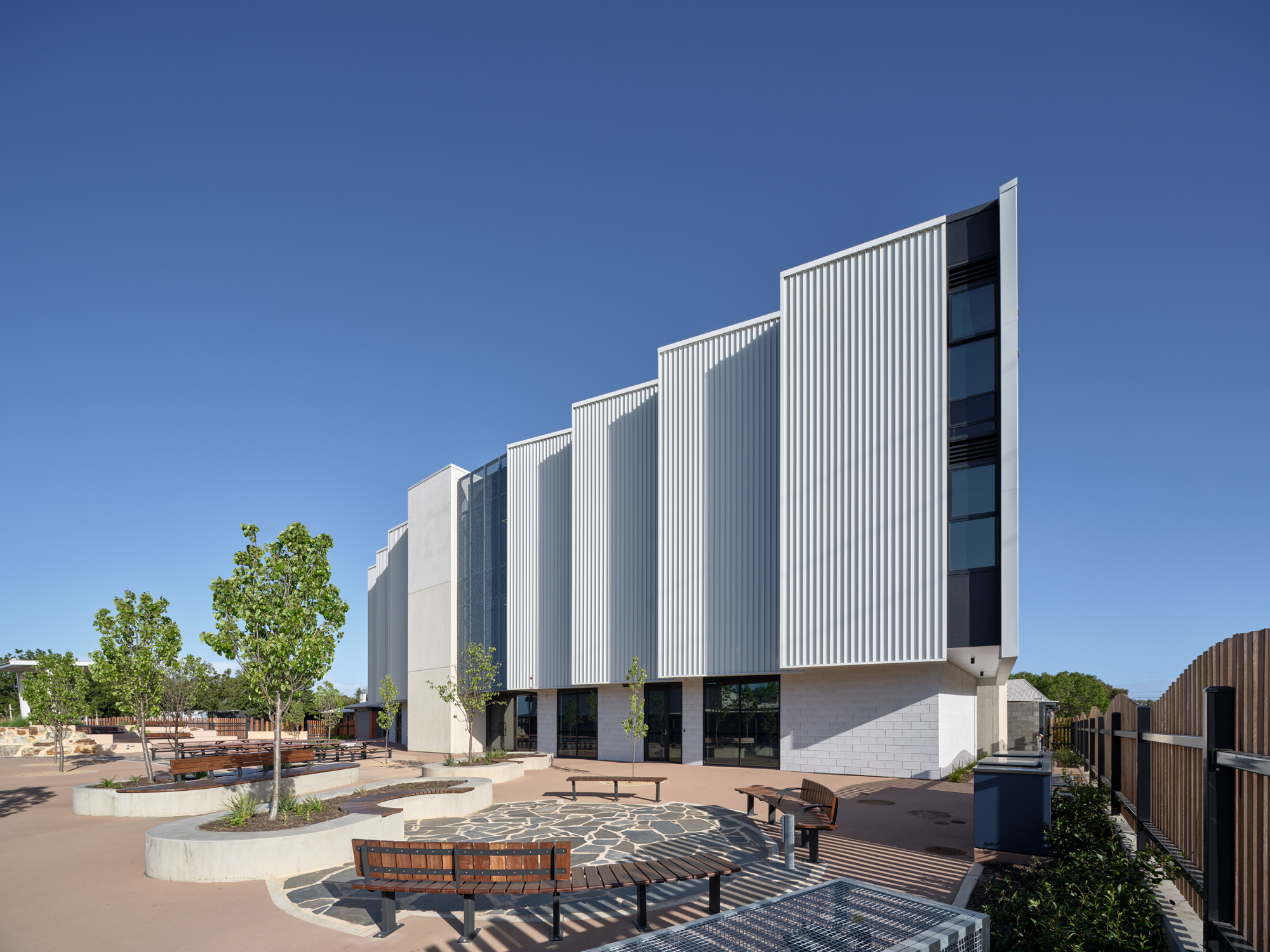
This project delivers a transformative, future-focused education facility on a highly constrained site, using a three-storey vertical design to maximise space, enhance connectivity, and support a progressive learning philosophy.
As the first stage of a wider campus master plan, it sets a strong architectural and educational benchmark, combining durable, sustainable materials with adaptable learning environments tailored to diverse needs. The building integrates deeply with its cultural and community context, offering specialist facilities, flexible learning commons, and vibrant outdoor spaces that foster creativity, inclusion, and pride.
Carefully staged construction, extensive site preparation, and thoughtful traffic management ensured minimal disruption to school operations, while collaboration with students, staff, and the broader community shaped a design that reflects shared values and long-term aspirations.
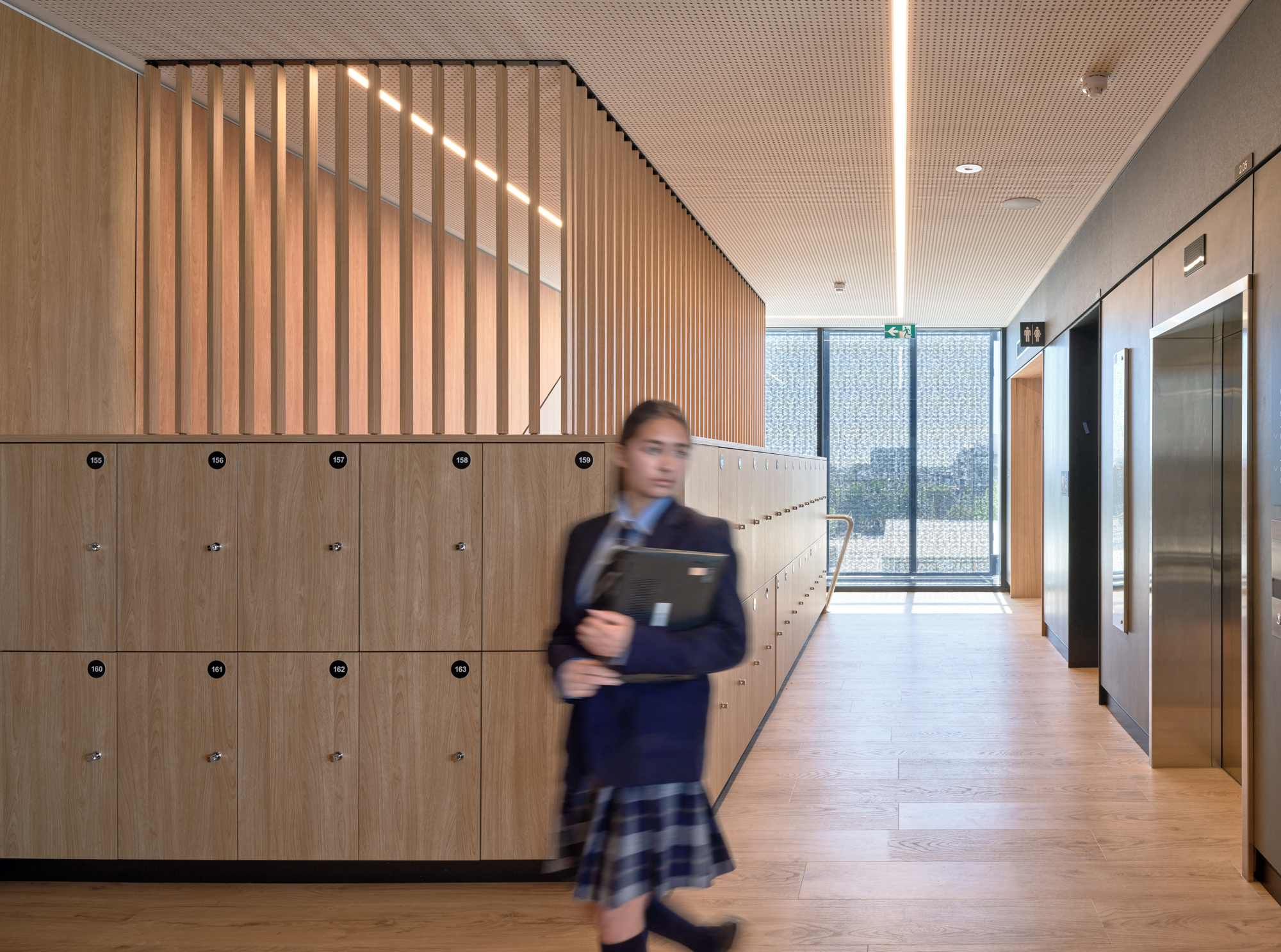
Maximising a compact site through multilevel design
Responding to a highly constrained site, the building adopts a three-storey vertical solution that optimises every square metre while preserving openness and connectivity. Glazed stairwells and open circulation spaces foster strong visual and physical links between levels, enhancing interaction and natural light penetration. Early enabling works addressed complex site challenges, including power infrastructure removal, easement restrictions, and traffic management at the busy Causeway and Bower Road intersection, allowing construction to proceed seamlessly alongside ongoing school operations. Relocation of the Early Learning Centre facilitated future growth within the tight footprint.
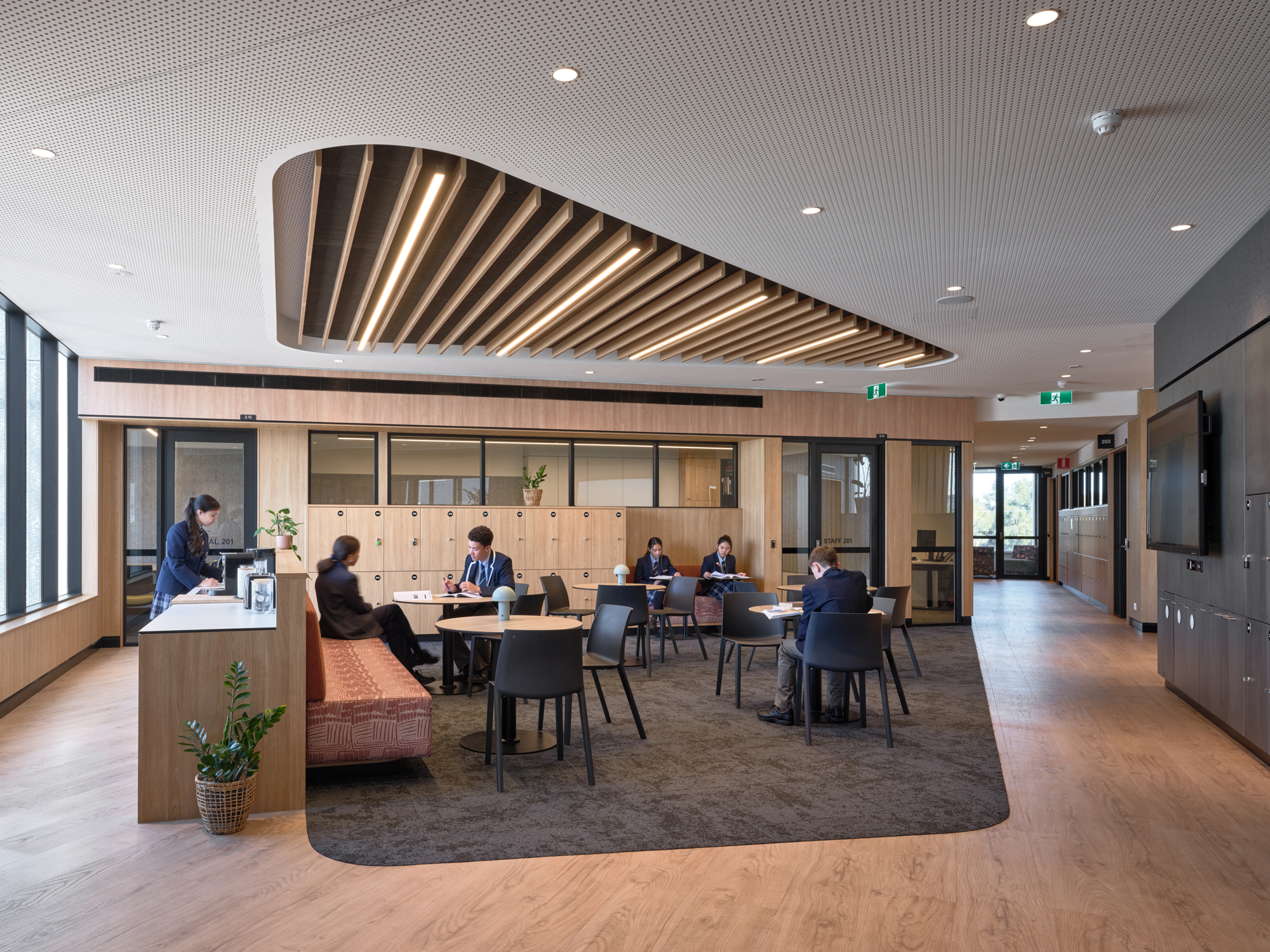
Future-focused, flexible learning environments
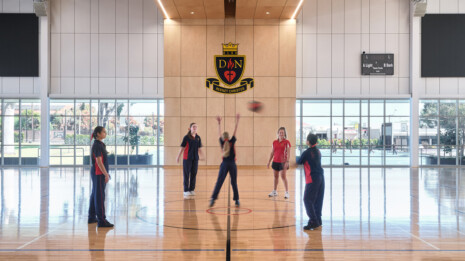
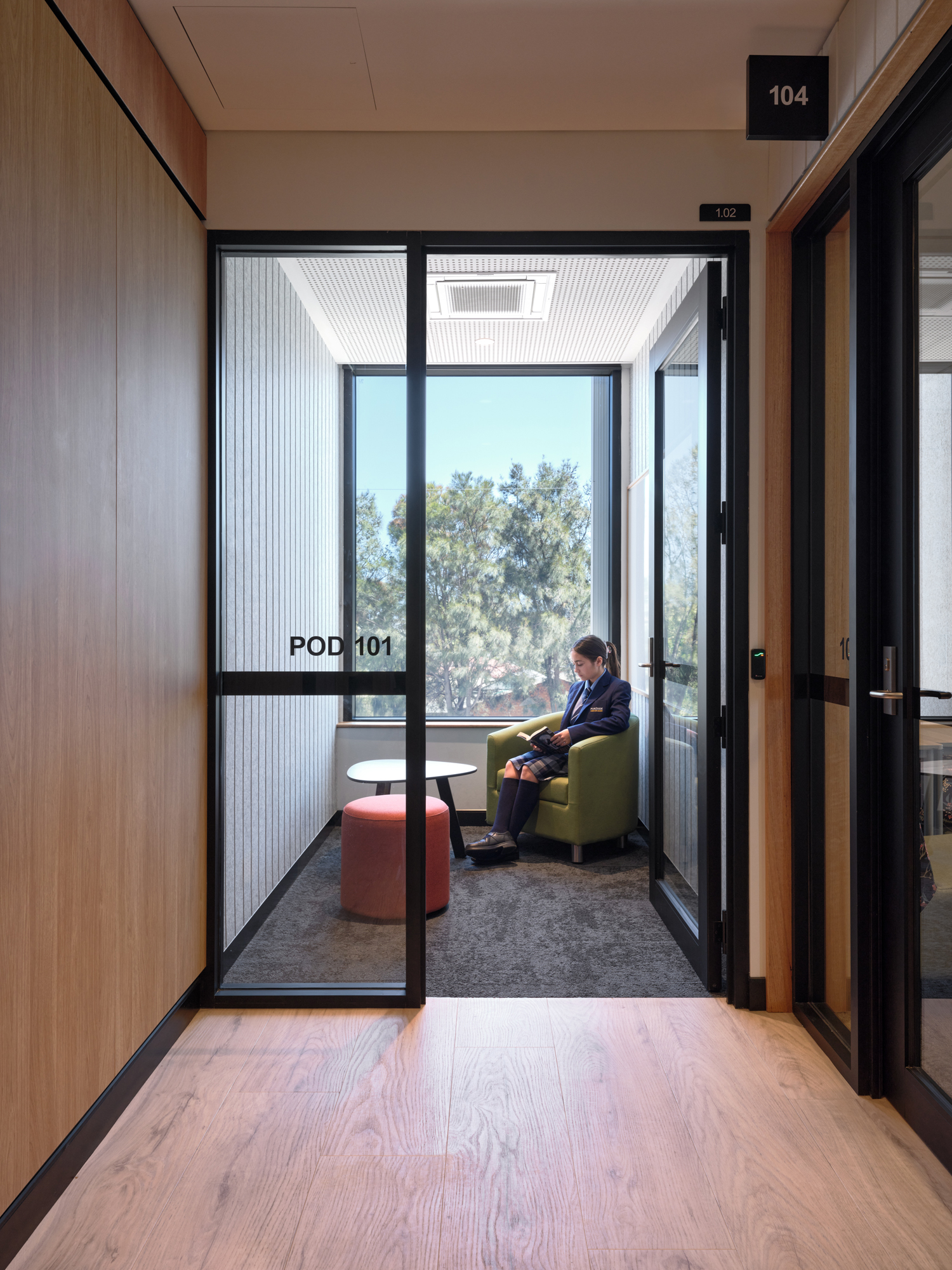
As the initial phase of a comprehensive campus master plan, this building lays the groundwork for scalable growth and seamless integration with future stages. The design promotes adaptability through flexible classrooms, learning commons, and specialist spaces, including science and technology, media, fablab, and a gymnasium, supporting diverse teaching methods and learning styles. Independent zones for senior students encourage self-directed study and tertiary preparation, while younger students benefit from exposure to aspirational environments. Sustainability is integral, with low-carbon materials, solar readiness, gas-free systems, double-glazed windows, and energy-efficient lighting prioritising wellbeing and environmental responsibility.
This project turned constraints into opportunities, creating connected, flexible learning spaces that support students to learn, grow, and engage.
Braden Hill
Associate | Architect
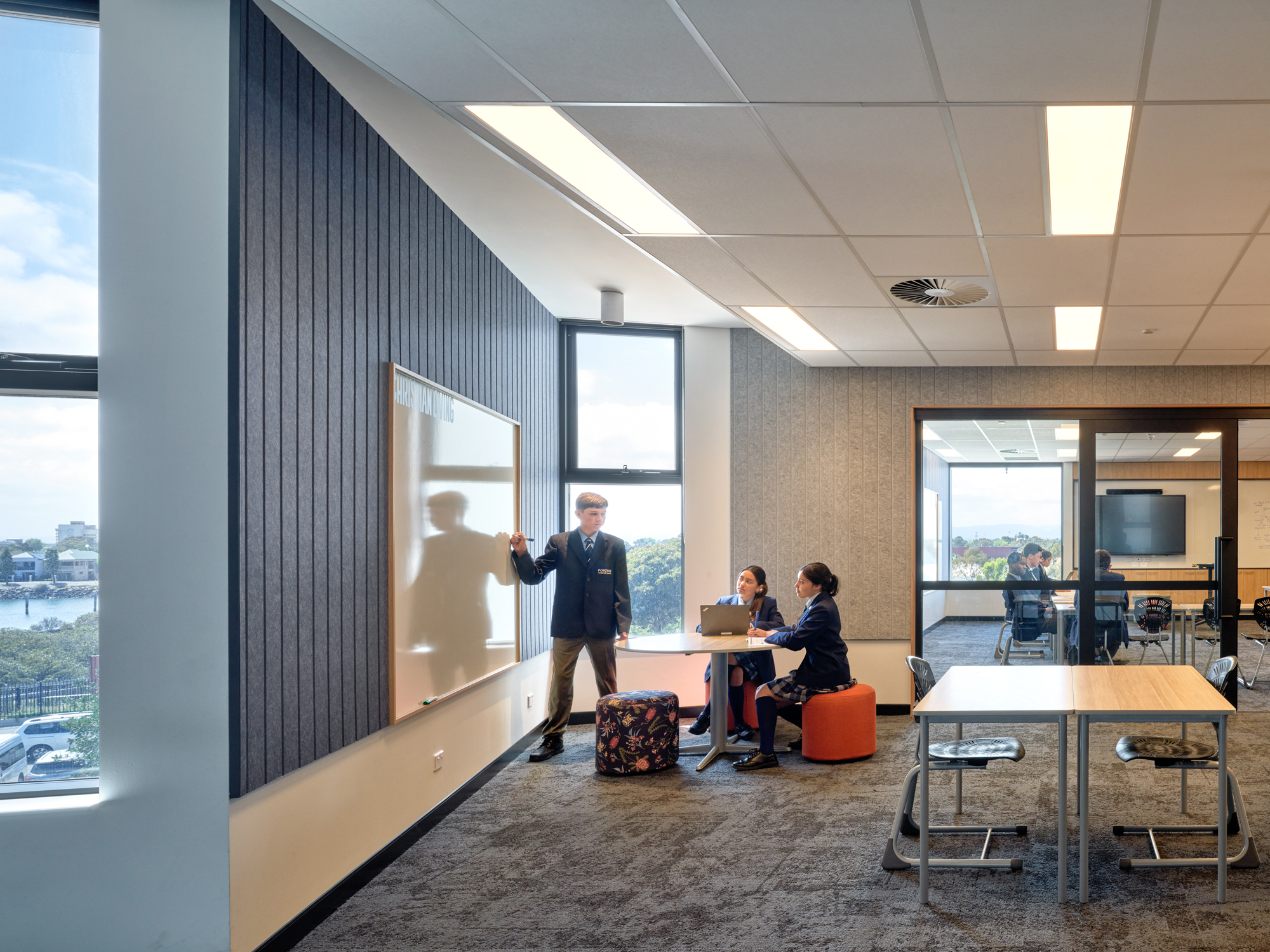
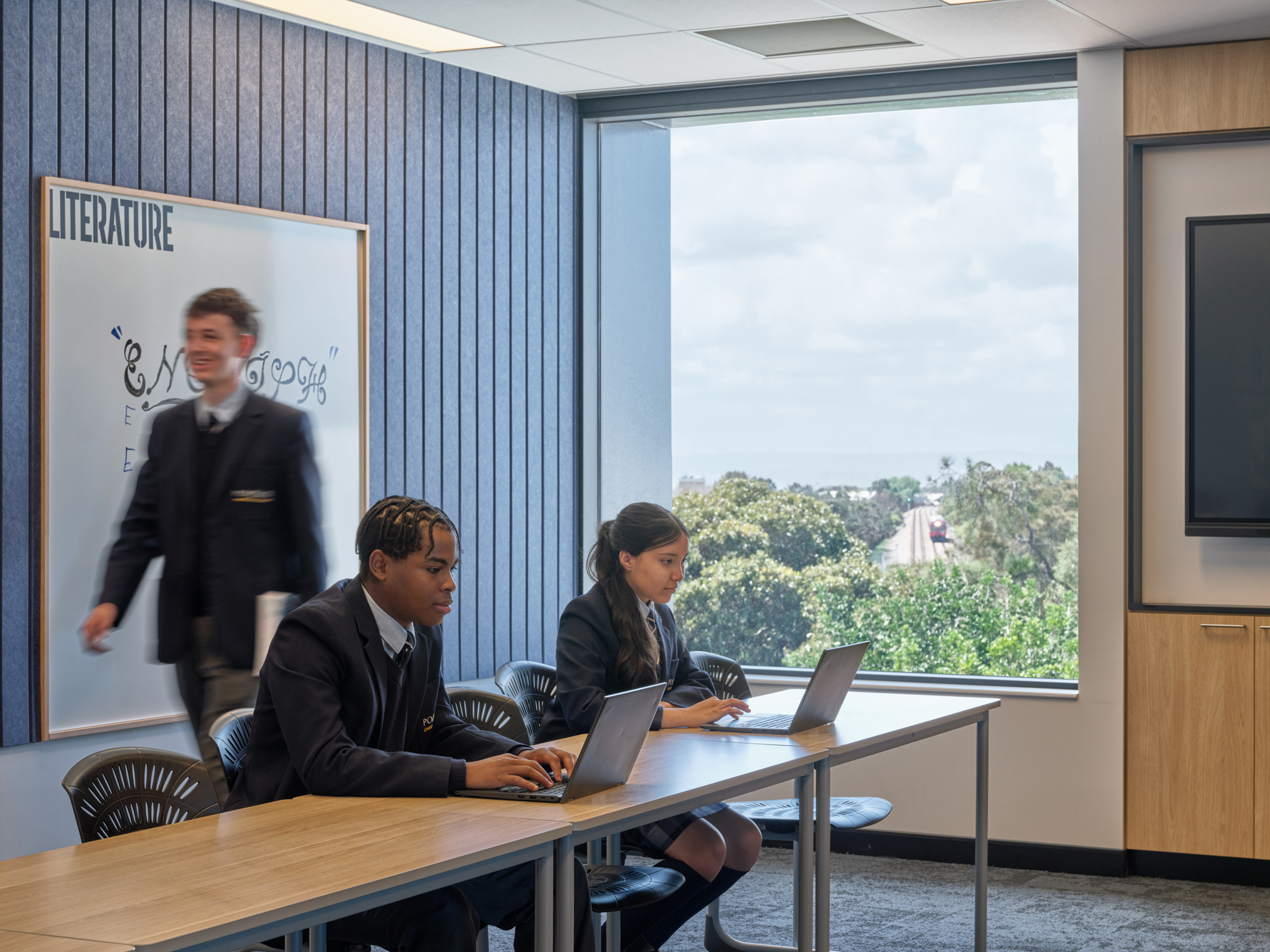
Strong cultural identity and community connection
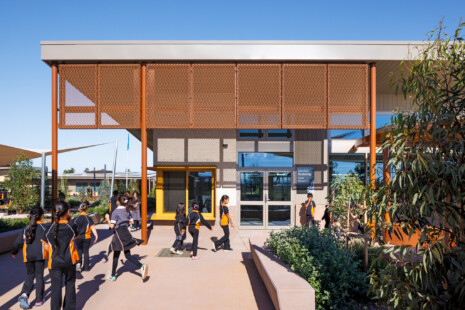
Cultural integration and placemaking are embedded throughout the design, creating a building that is both deeply connected to its local heritage and actively supports the wider community. Framed views towards landmarks such as Hart’s Mill, the Port River, and the nearby cultural centre establish meaningful visual links, while the architectural language draws inspiration from mangrove ecosystems, symbolising grounded roots and protective canopy layers. Student creativity is celebrated through murals, graffiti, and dynamic activated spaces, making the building a vibrant destination that fosters pride, belonging, and a strong sense of identity.
Landscaped outdoor areas, including a large BBQ zone and a shared-use amphitheatre with speakers, accommodate community events, school functions, and church gatherings, while outdoor learning and gathering spaces offer versatile use for students, staff, and the public. Thoughtful traffic and access management, including a dedicated kiss-and-drop loop, prioritises safety and ease of movement in this busy urban setting. Close collaboration with school leadership, teaching staff, and church representatives ensured that both cultural values and community needs were central to key design decisions.
SA Architect Registration No. 2297

SA Architect Registration No. 3009


SA Architect Registration No. 3909