We acknowledge and pay respect to the past, present and future Traditional Custodians and Elders of this nation and the continuation of cultural, spiritual and educational practices of Aboriginal and Torres Strait Islander peoples.
As National Reconciliation Week prompts reflection across the architecture and design industry, we’ve been thinking about the role practices play in building stronger relationships with Country, community and culture through the built environment with a Designing with Country approach.
For us, this work goes beyond a single week or initiative. It continues through long-term partnerships, project work, internal learning and ongoing conversations about how Indigenous perspectives and knowledge systems can inform design practice in meaningful ways.
A key part of this journey has been the growth of Nguluway DesignInc — the majority Indigenous-owned design practice formed in partnership with Wiradjuri architect Craig Kerslake in 2020. Working alongside the DesignInc Sydney team, Nguluway DesignInc has helped shape our understanding of Designing with Country, Indigenous authorship and Community led engagement across projects and practice.
As outlined in DesignInc Sydney’s Innovate Reconciliation Action Plan, our reconciliation commitments focus on four areas: building cultural literacy within the studio, creating opportunities for Aboriginal and Torres Strait Islander peoples within the industry, embedding stories of Country within the built environment and contributing to broader industry conversations around reconciliation and design practice.
Learning Through Relationships
Over the past year, much of this work has focused on building relationships and learning through participation and collaboration.
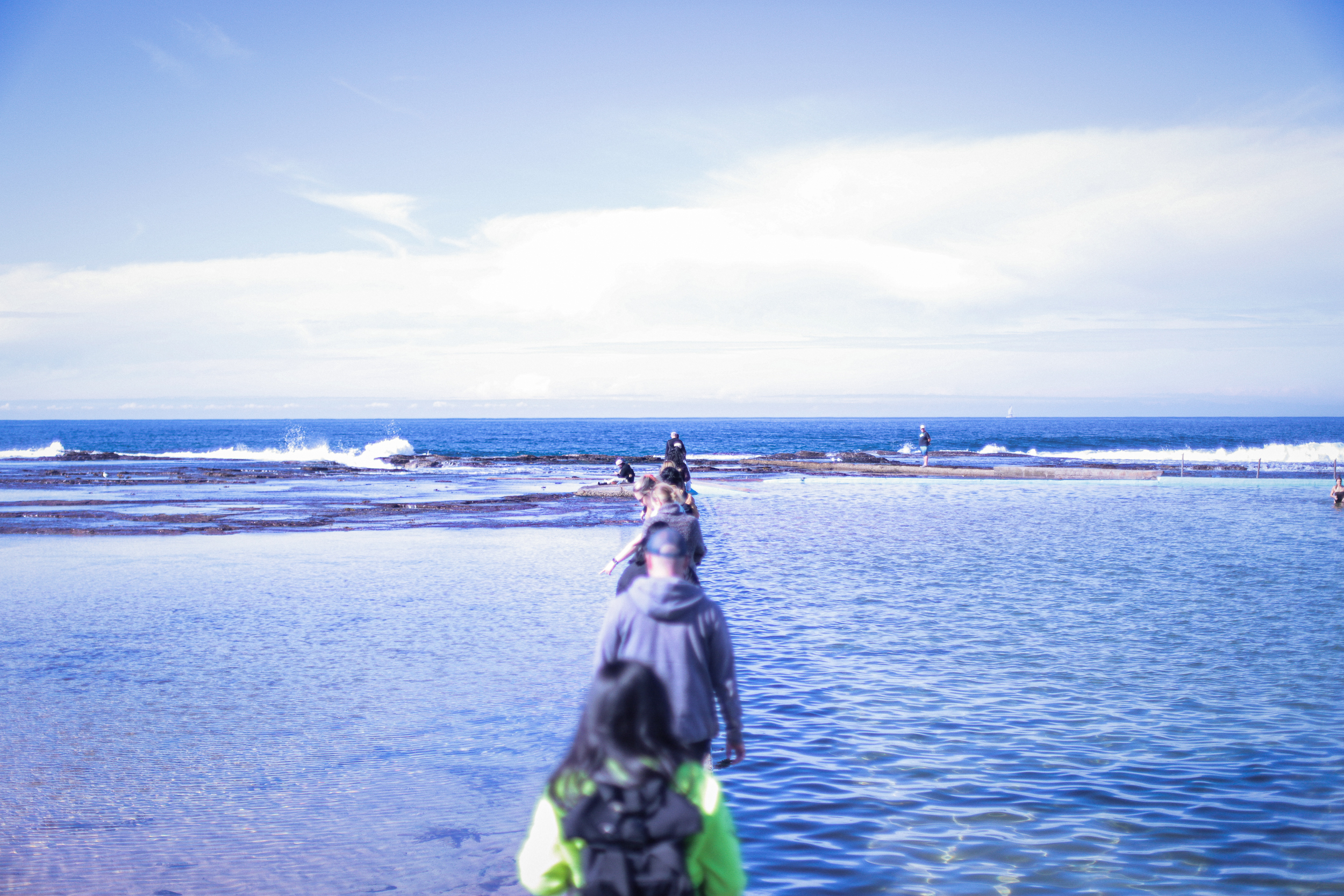
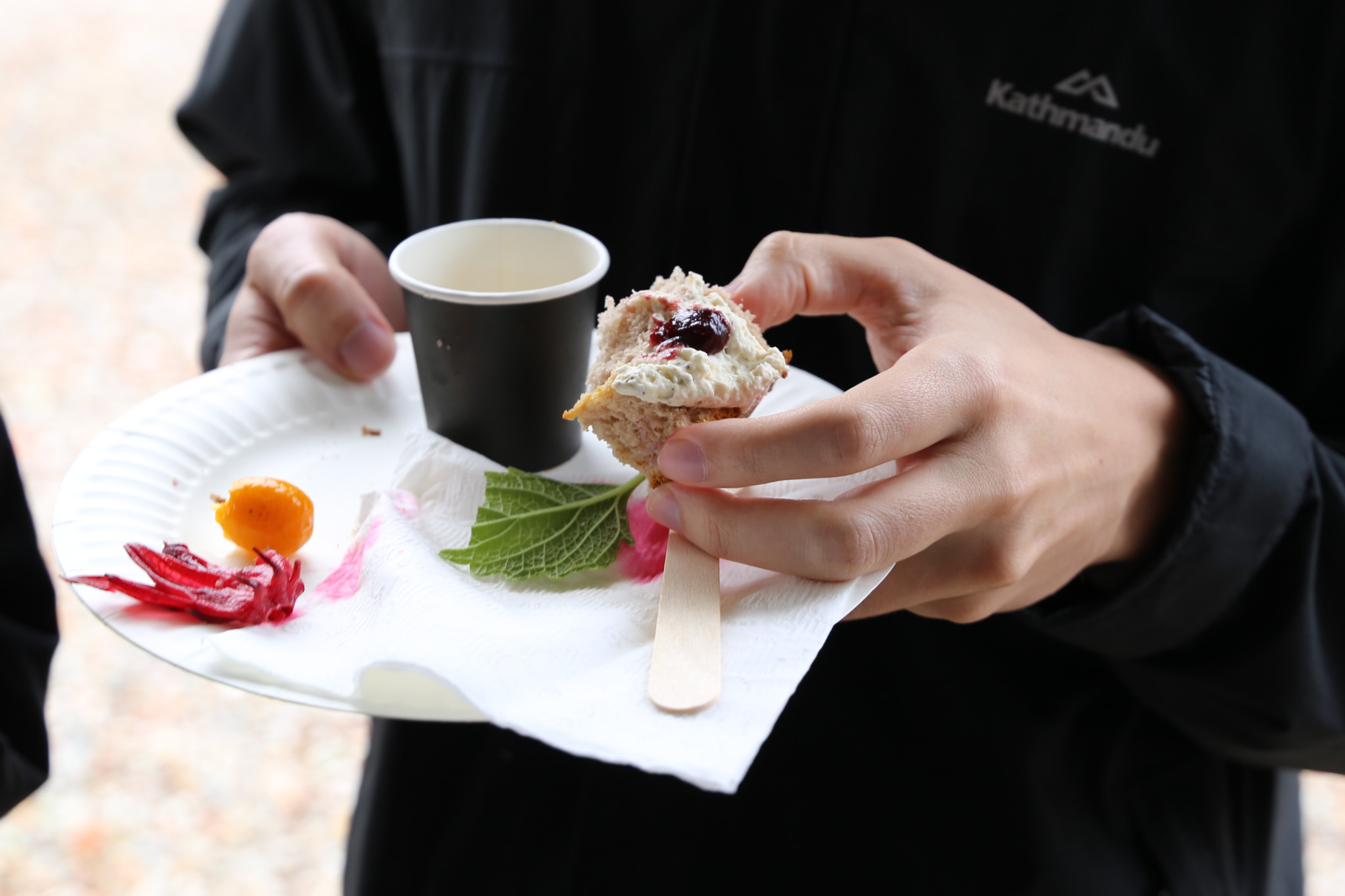
One ongoing initiative has been our partnership with Bush to Bowl, a First Nations social enterprise that connects people to Country and traditional foodways. Through walks on Country, workshops and volunteering activities, our team has had opportunities to engage directly with Indigenous knowledge systems in practical and grounded ways.
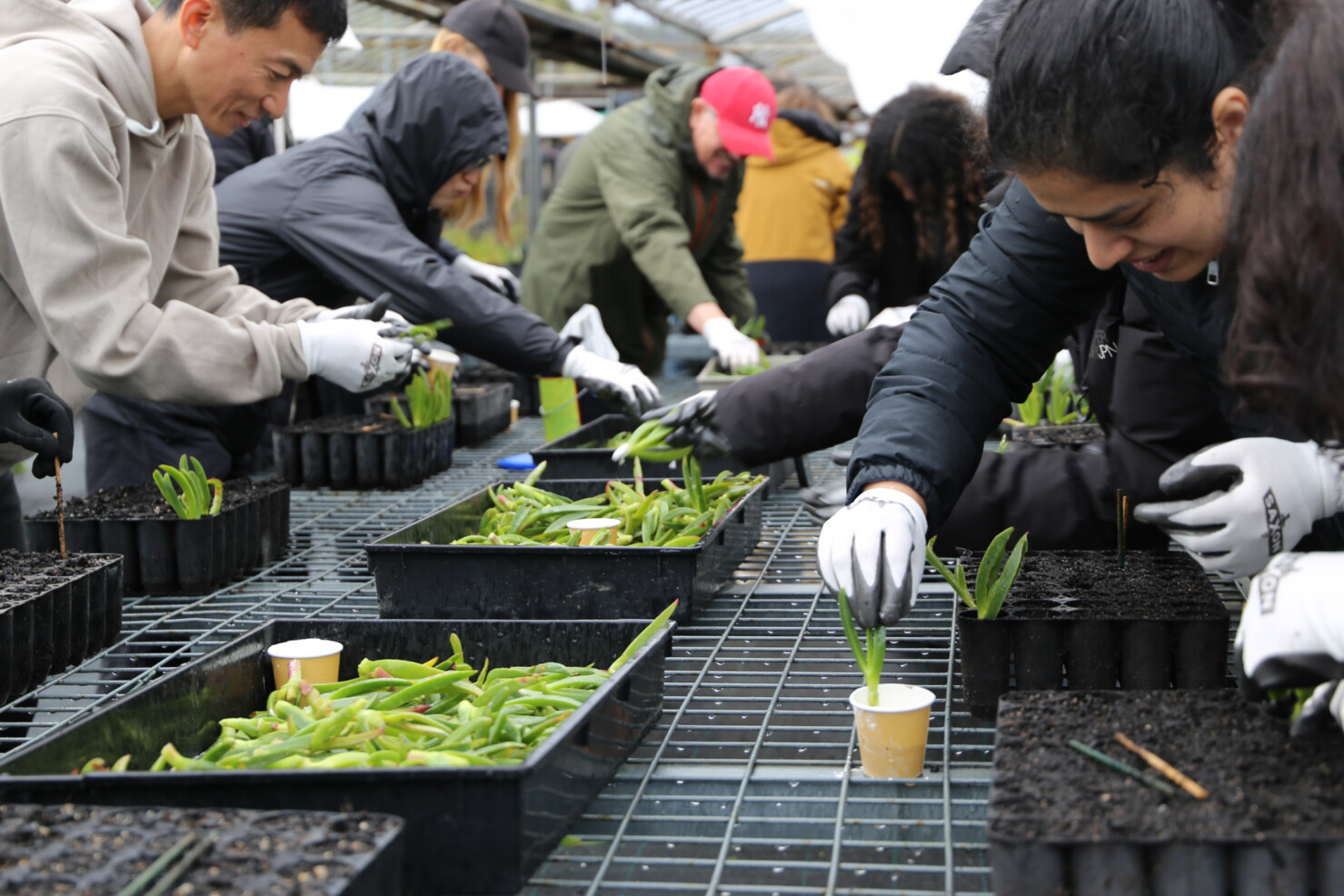
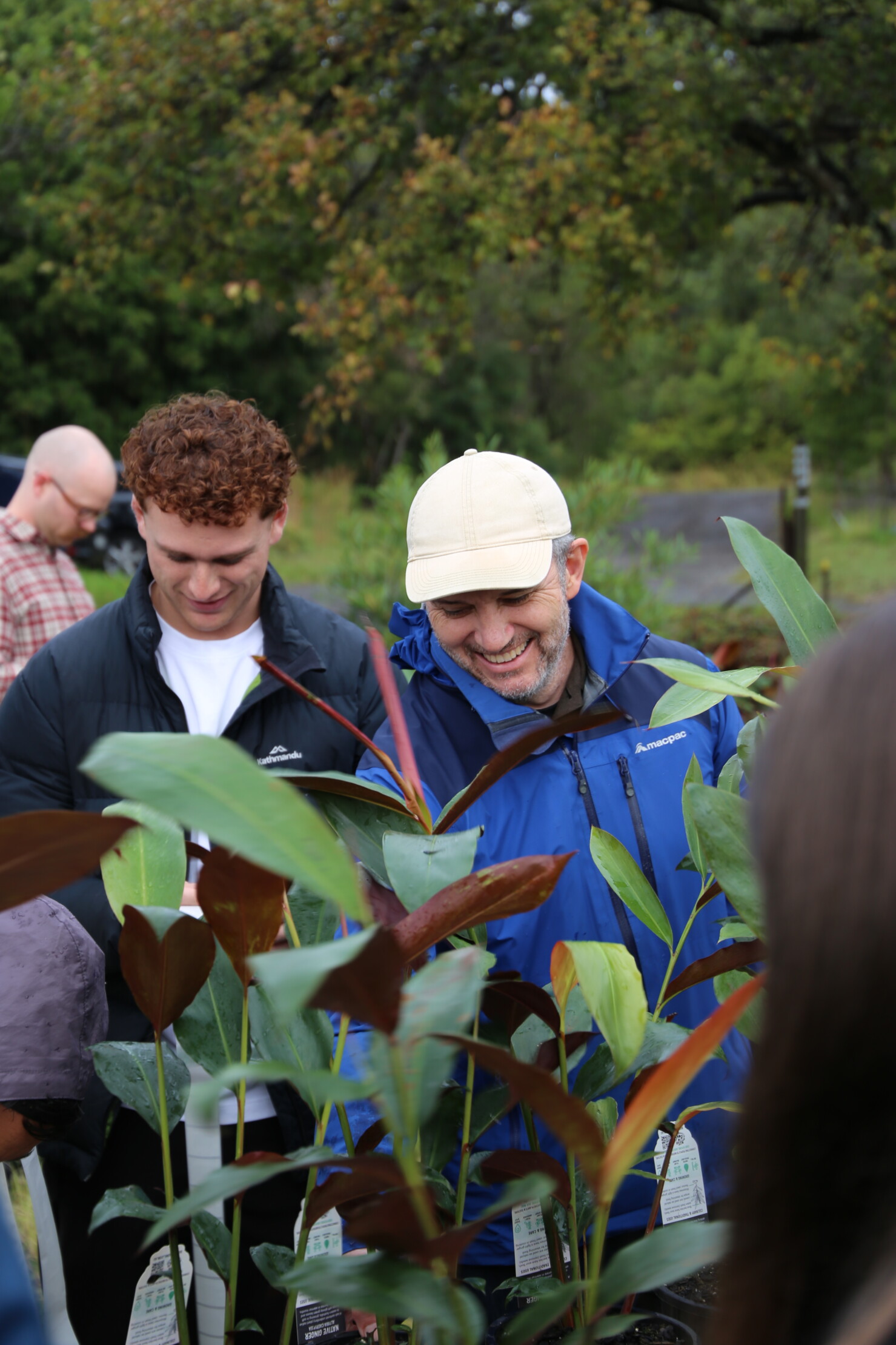
DesignInc Sydney and Nguluway DesignInc took part in a Bush to Bowl volunteering day, where we learned about Indigenous approaches to food and horticulture.
These experiences have become an important part of our broader approach to cultural learning. They create space for reflection, discussion and relationship-building outside formal policies or processes.
Alongside this, we’ve continued exploring how Indigenous perspectives can be embedded more meaningfully into design processes and project work.
This has included ongoing collaboration with Nguluway DesignInc across transport, civic and cultural projects. Each project requires a different approach depending on the context and engagement with Traditional Custodians, but these collaborations continue to shape our understanding of Designing with Country as a process grounded in listening, relationships and place-based knowledge.
Projects such as Towradgi Station have explored how stories, landscapes and ecological systems can shape the experience of public infrastructure. Projects led by Nguluway DesignInc, including Ngurra Cultural Precinct and Bundjalung Cultural Centre, continue to demonstrate the value of Indigenous-led thinking and culturally grounded design narratives within the built environment.
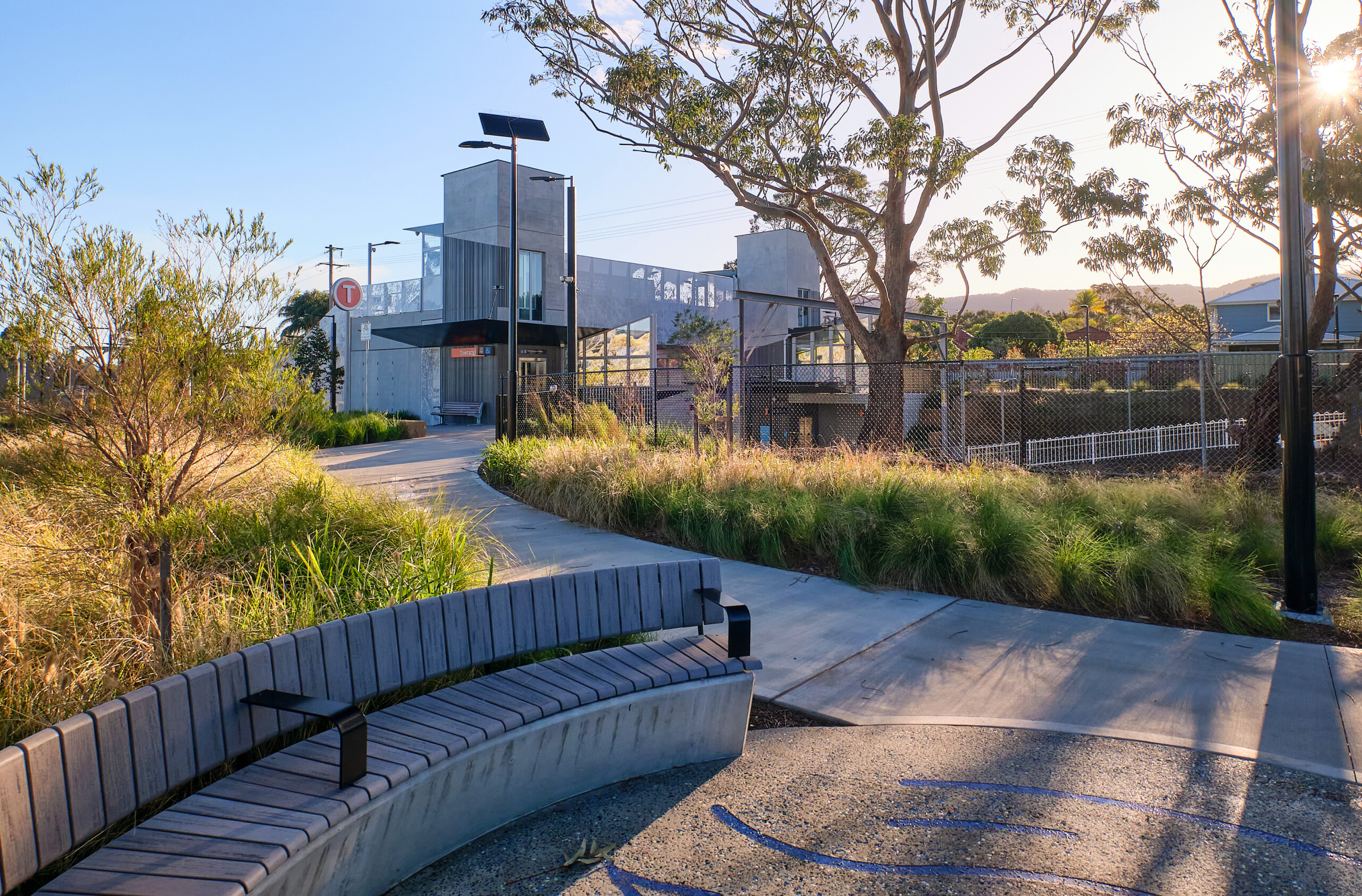
A “Designing from Country” approach guided the Towradgi Station project, shaping both its architecture and landscape.
Designing with Country
Craig Kerslake’s contribution to the studio extends beyond project work. Through CPD sessions, internal discussions and collaborative design processes, Craig continues to share perspectives on Country, belonging and culturally-led approaches to design practice with the broader DesignInc Sydney team.
As Craig notes:
[Nguluway DesignInc] call this ‘Designing from Country’ as design narratives come from Aboriginal understandings of people and place, or belonging. It is our pursuit to bring the Aboriginal voice to design thinking in genuine and authentic ways
These conversations have informed broader discussions across the studio about consultation, authorship, process and responsibility, particularly in relation to how architecture and design practices engage with Aboriginal and Torres Strait Islander communities and cultural knowledge.
Our understanding of Designing with Country continues to develop through these conversations and collaborations. Rather than treating it as a fixed methodology, we see it as an ongoing process of listening, learning and responding to place.
Supporting Future Pathways for First Nations Architects
Supporting pathways into the profession has also remained a focus.
Our recent scholarship recipient Liam Khan is currently undergoing his final year of Master’s, while working part-time at Nguluway DesignInc. After completing his Bachelor’s degree a couple of years ago, Liam has thrived under the guidance and mentorship of Craig Kerslake, who Liam believes has been fundamental to his development as an emerging professional in the industry.
Recent Nguluway DesignInc projects that Liam has worked on are UTS Aboriginal Student Housing, Bundjalung SHAF Namabunda Farm Housing Complex, and Aunty’s House Over Station Apartment Development Concept in St Peters. Being able to work on important projects with real cultural value has allowed Liam to expand his design thinking, incorporating Indigenous narratives and Elder knowledge beyond the tangible realm.
We’ve also continued building relationships with Aboriginal and Torres Strait Islander suppliers, consultants and collaborators across projects, events and studio initiatives. This reflects an understanding that reconciliation within the built environment sector must also include long-term economic participation and professional opportunity.
Looking Ahead
Many of these conversations are still evolving.
DesignInc Sydney’s current Innovate RAP includes commitments through to 2027, including further development of Designing with Country approaches, expanded cultural learning opportunities within the studio, continued support for First Nations students and emerging professionals, and deeper engagement with Aboriginal and Torres Strait Islander businesses and communities.
We also continue contributing to broader industry discussions through public panels, partnerships and initiatives such as the Architecture and Design RAP RING. Meaningful change depends not only on individual projects, but also on broader shifts across practice and industry.
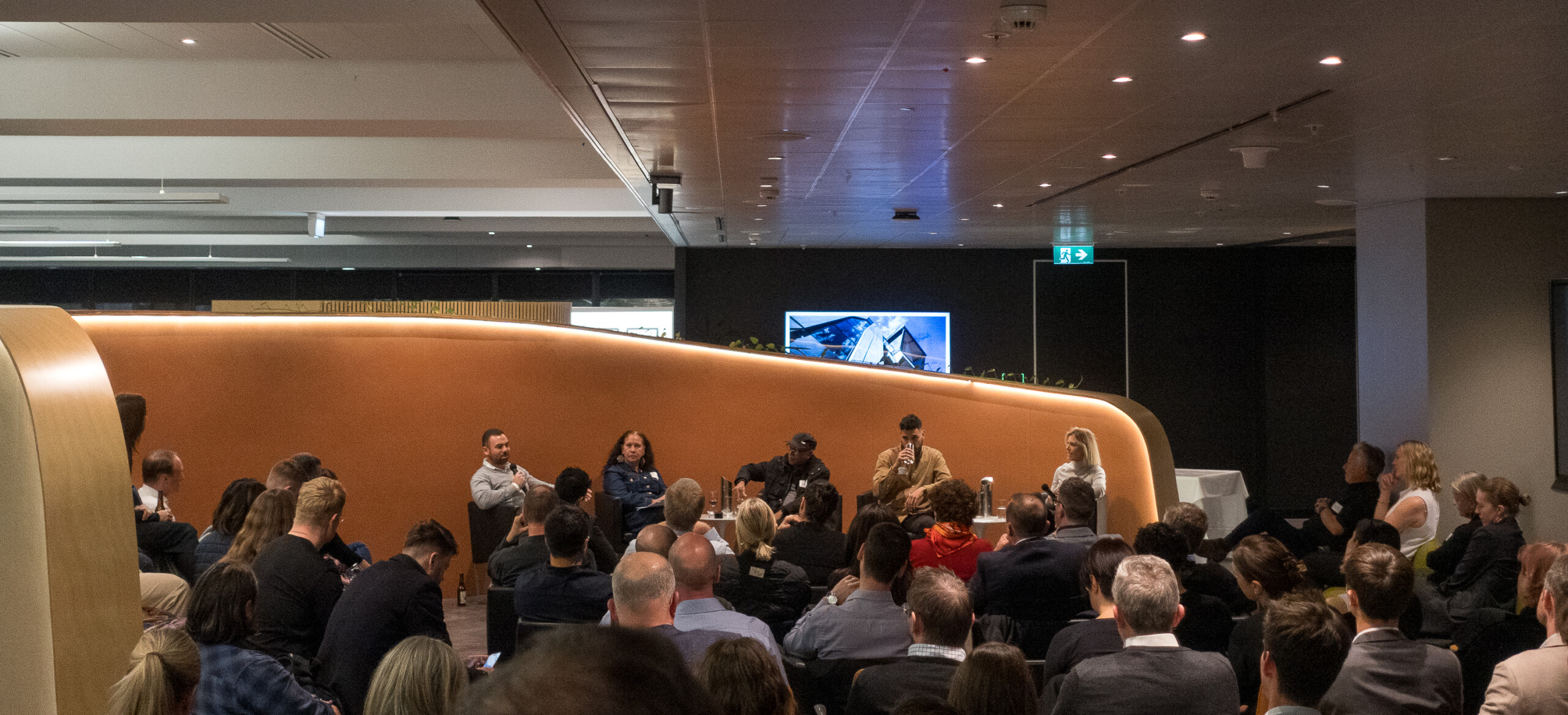
DesignInc’s Cathryn Drew-Bredin joined Nguluway DesignInc’s Niwili White Forrest and other leading Indigenous voices at our 2025 National Reconciliation Week panel.
Reflecting on the past year, DesignInc Sydney Director and RAP Champion Cathryn Drew-Bredin notes that reconciliation within practice is ongoing work:
Our commitment to reconciliation is embedded within every part DesignInc: through design, through our team culture, and through our business operations. It is who we are to our core.
As we look ahead to 2027 and beyond, our focus remains on building relationships, strengthening cultural understanding, supporting Indigenous participation within the design sector, and contributing to conversations about Country, place and authorship within the built environment.
The work continues, and so does the responsibility to keep learning, listening and improving.
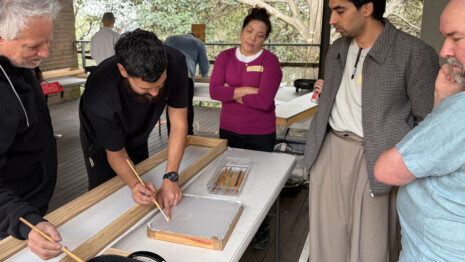
This NAIDOC Week, members of DesignInc Sydney and Nguluway DesignInc came together for a unique cultural experience led by highly respected Ngangiwumerri/Ngangikurrungurr artist Pilawuk White and her son, Nguluway DesignInc Associate and…
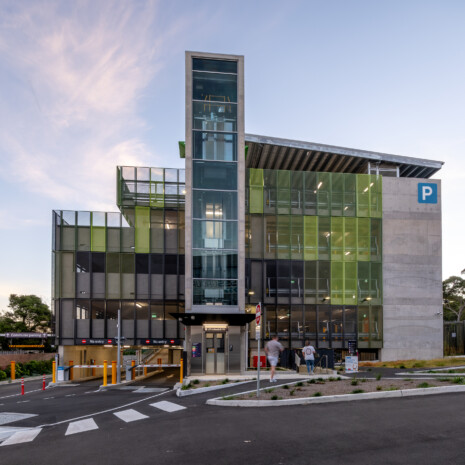
Beverly Hills Commuter Carpark is part of Sydney’s shift toward greener mobility—delivering better access to public transport, reducing road congestion, and supporting a more sustainable, connected future. With 200 new parking spaces…
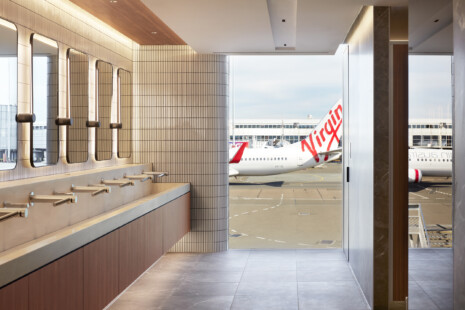
Amenities that support ‘travelling in style.’ Taking cues from high-end residential, our Interiors team collaborated with Sydney Airport on the design for refurbishment of eight new tactile, comfortable bathroom facilities at Sydney’s…