People
Paul Wallace
Design architect Paul Wallace enjoys the challenge of working across multiple sectors and getting out of his comfort zone with complex, large-scale projects. During his 25 year career, he has…
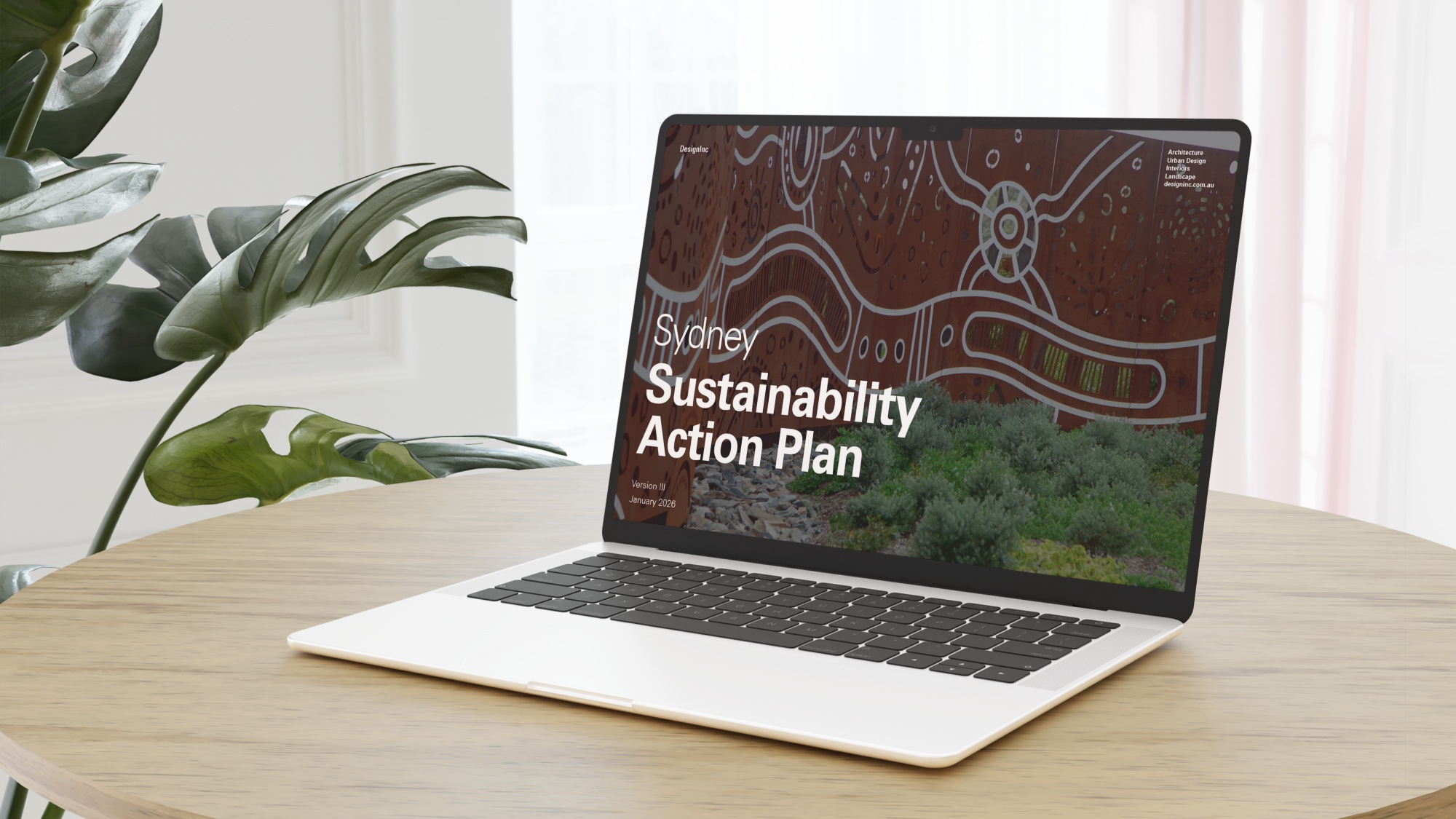
Our 2026 Sustainability Action Plan (SAP) marks a continuation of work that has been building over several years.
It is our third SAP, and like the ones before it, it is less about setting distant ambitions and more about refining how we work, project by project, decision by decision.
The past year has been a period of consolidation and progress. Across design practice, operations, and advocacy, the focus has been on making sustainability measurable, embedded and accountable.
On projects, the application of these tools is beginning to show tangible results.
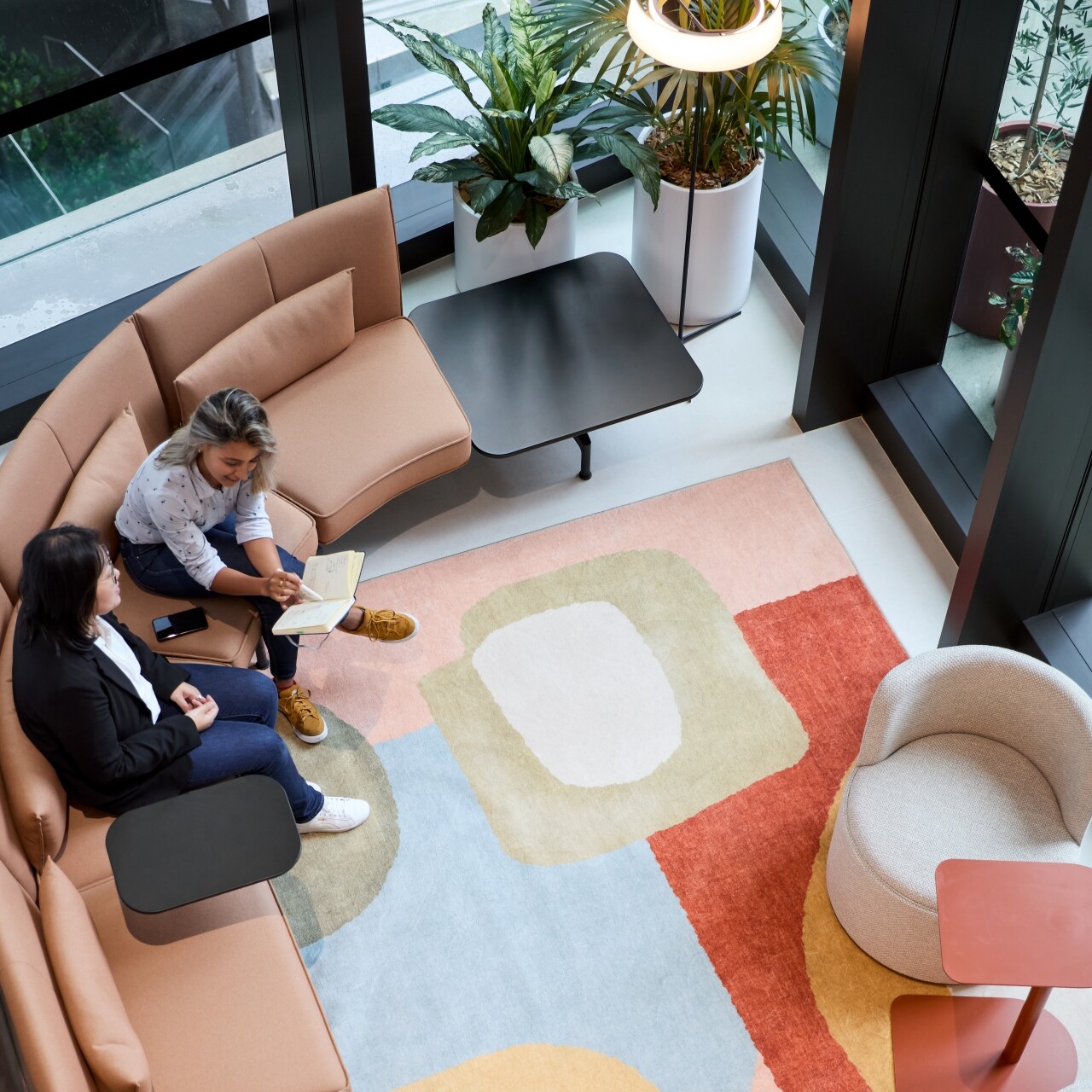
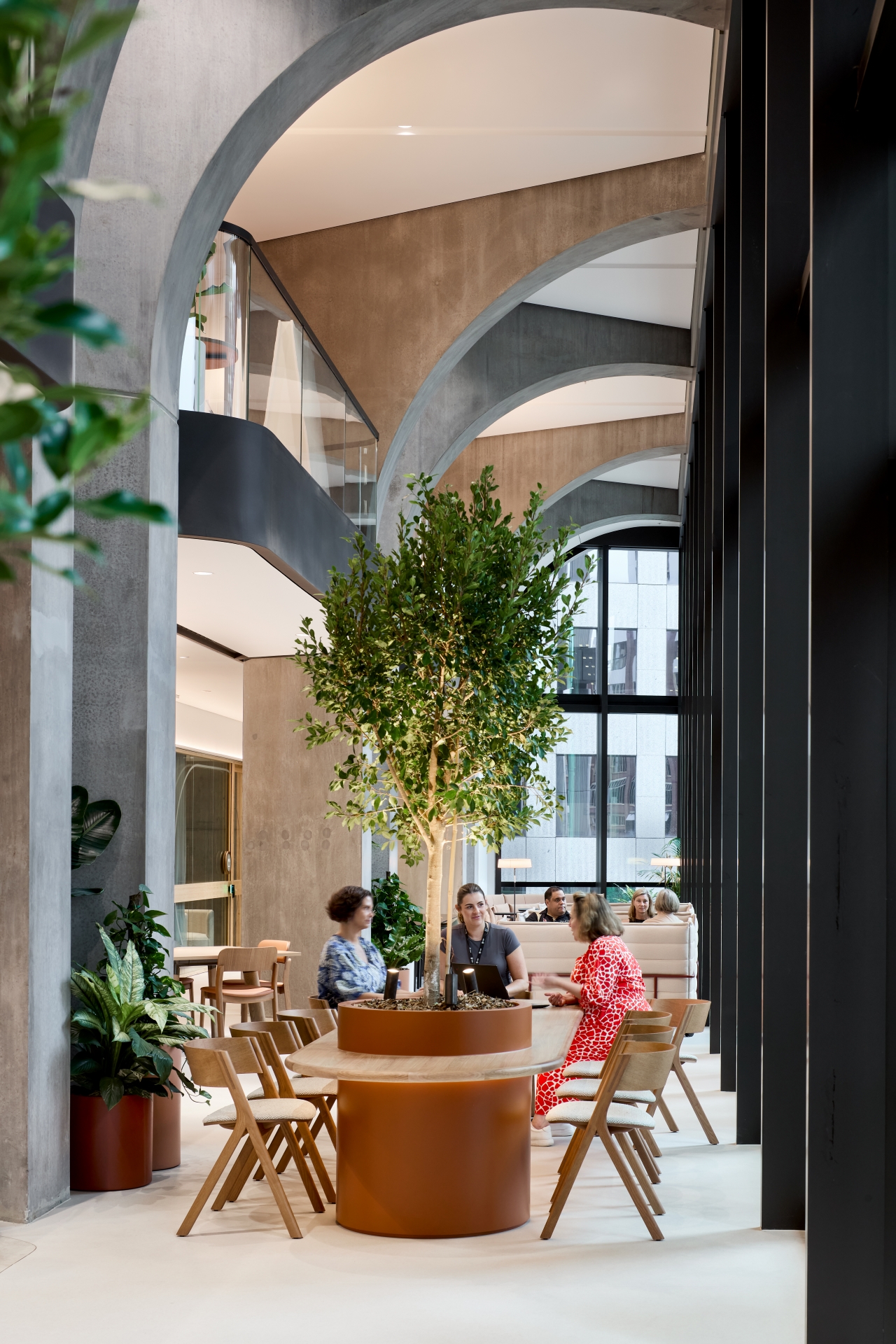
At UNSW CBD Campus, for example, lifecycle analysis informed material selection and procurement decisions. This resulted in an approximate 40% reduction in embodied carbon compared to a standard fitout, with post-completion analysis indicating that further reductions, up to around 70%, may have been achievable through alternative design and construction approaches.
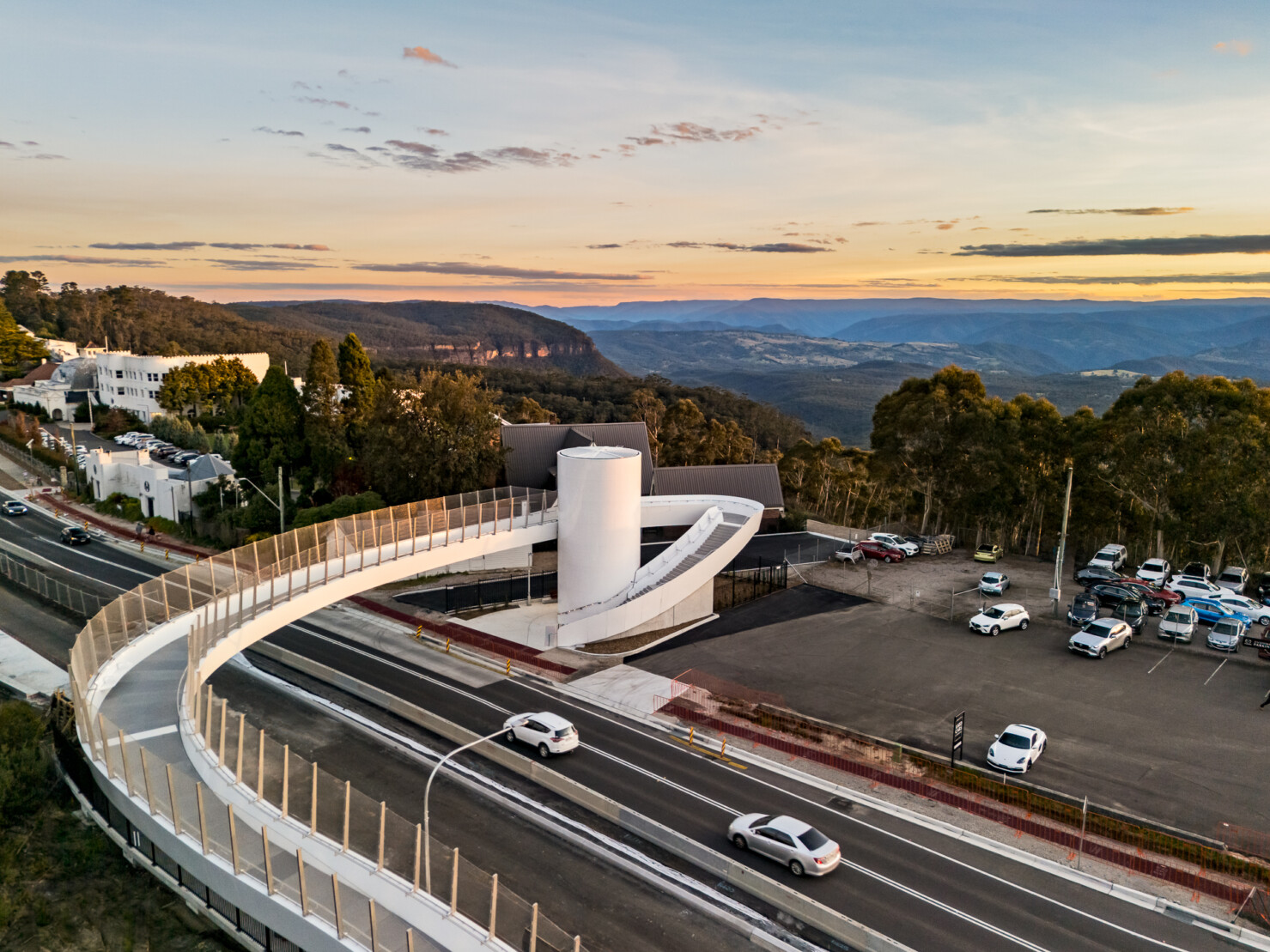
Similarly, the Medlow Bath Station Upgrade achieved a Platinum rating under the TfNSW Sustainable Design Guidelines, alongside a 22% reduction in both construction emissions and operational energy use from the project baseline. These outcomes are the result of incremental decisions like material choices, structural approaches, and procurement strategies, rather than singular interventions.
Alongside project work, there has been a continued focus on reducing the impact of our own operations.
In 2025, business travel emissions were reduced by 56%, supported by an updated travel policy encouraging public transport and lower-emission alternatives. Waste and water-related emissions also decreased by 54%, reflecting improvements in waste management processes and better visibility through regular reporting. These changes contributed to an overall 9.5% reduction in full-scope emissions year-on-year, and the achievement of a 40% reduction from the FY2022 baseline.
At the same time, the practice has continually maintained its carbon-neutral certification.
A key shift over the past year has been the integration of more rigorous measurement into our design process.
Life Cycle Assessments (LCAs) are now part of how we test and refine design decisions. By embedding these tools into our BIM workflows, teams can compare materials, test alternatives, and understand embodied carbon earlier in the process. This has allowed us to move beyond general principles toward project-specific data. In many cases, embodied carbon outcomes are tracking below typical benchmarks for comparable Australian building types—an important step in establishing our own internal references for future work.
An important part of this year’s work has been the continued collaboration with Nguluway DesignInc.
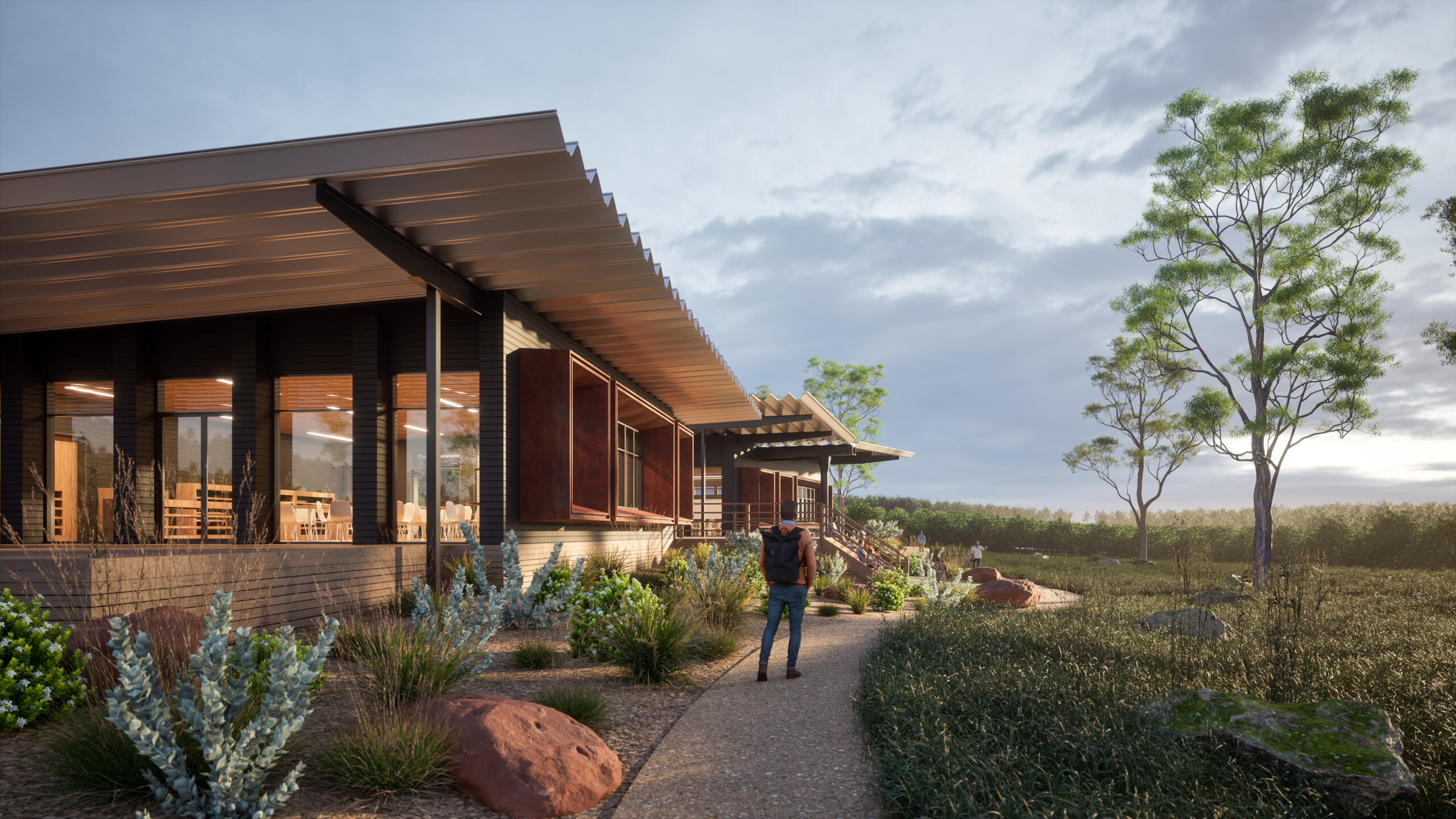
Through this partnership, Indigenous voices and narratives are being embedded into projects in ways that strengthen connections between people and place. The “Designing from Country” process brings together community engagement and design response, supporting outcomes that are both culturally grounded and environmentally responsive. This approach recognises the relational aspect of sustainability rather than just the technical.
Sustainability work has also extended beyond projects and operations into education and industry engagement.
Internally, our staff have participated in training on whole-of-life carbon, circular systems, and new ESD processes. Externally, the practice has contributed to broader conversations, hosting events such as the Materials Shift Series and participating in forums including the GBCA TRANSFORM conference.
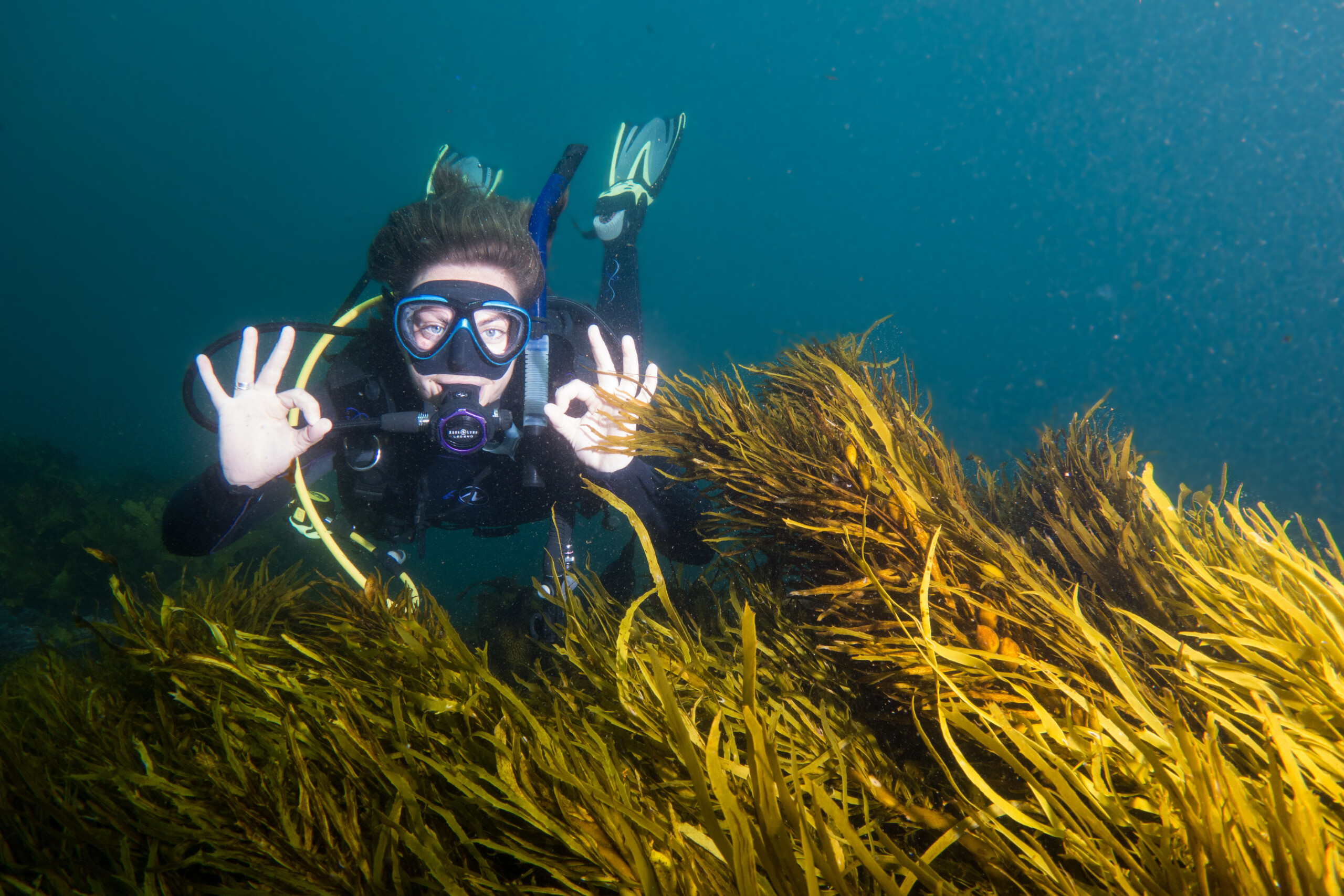
There has also been direct support for environmental initiatives such as Operation Crayweed, contributing to the restoration of marine ecosystems along Sydney’s coastline. These activities have played a role in connecting day-to-day practice with larger systemic change.
What is clear from the past year is that progress comes from embedding sustainability into the structure of practice through tools, policies, and collaborations rather than treating it as an overlay. The work outlined in this SAP is part of a longer trajectory. Targets remain in place to further reduce emissions, improve benchmarking, and refine design processes.
The SAP provides a framework, but its value is ultimately in how it shapes decisions across the studio.
For more detailed information, please contact Paul Wallace, Managing Principal and Sustainability Lead, here.
Design architect Paul Wallace enjoys the challenge of working across multiple sectors and getting out of his comfort zone with complex, large-scale projects. During his 25 year career, he has…
In a time where the urgency of climate action has never been clearer, the recent Impact X Sydney Summit served as a platform for collaborative discourse. Representing DesignInc Sydney in a panel…
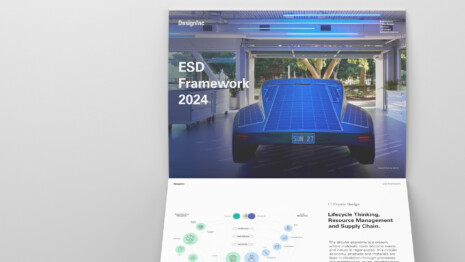
This World Environment Day, DesignInc Sydney is proud to unveil our updated Environmentally Sustainable Design (ESD) Framework—part of our commitment to a sustainable future where environmental protection, social equity and economic wellbeing…
DesignInc is proud to announce that we have achieved dual Climate Active certification, which certifies both our Services and Organisation. Currently, DesignInc is the only architecture practice in Australia that holds Climate Active certification for Service.
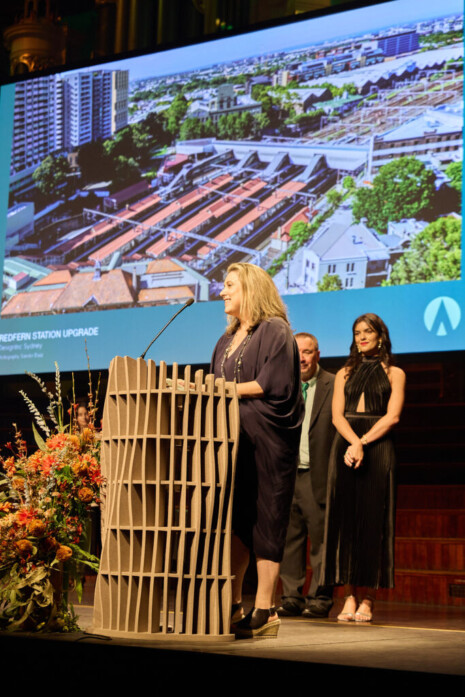
Redfern Station and PHIVE received accolades for their innovative, inclusive, and environmentally conscious designs at the 2024 Sustainability Awards and the World Green Building Council’s Sustainable Design and Performance Awards.
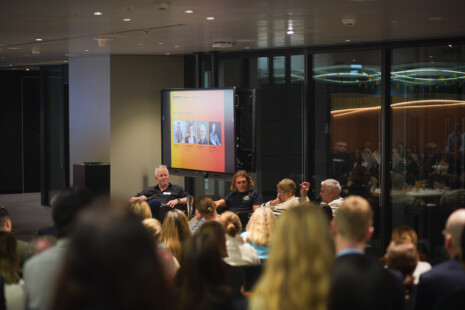
On Wednesday 29 May, DesignInc Sydney hosted an esteemed panel and a host of clients and industry professionals as we unpacked this year’s National Reconciliation Week theme: ‘Now More Than Ever’. This…